Search

Show prices tax inclusive Show prices tax exclusive
Show prices tax inclusive
Paint


Armstead Trade Contract Matt White 10L
Free delivery over £250 (Exceptions Apply)
Further delivery information
30 Day Return Policy
Need help or advice? Get in Touch
Payment options
Further delivery information
30 Day Return Policy
Need help or advice? Get in Touch
Payment options
£23.99

Barrettine Boiled Linseed Oil 500ml
Free delivery over £250 (Exceptions Apply)
Further delivery information
30 Day Return Policy
Need help or advice? Get in Touch
Payment options
Further delivery information
30 Day Return Policy
Need help or advice? Get in Touch
Payment options
£13.36

Barrettine Creosolve Dark Brown 20L
Free delivery over £250 (Exceptions Apply)
Further delivery information
30 Day Return Policy
Need help or advice? Get in Touch
Payment options
Further delivery information
30 Day Return Policy
Need help or advice? Get in Touch
Payment options
£93.80

Barrettine Creosolve Light Brown 20L
Free delivery over £250 (Exceptions Apply)
Further delivery information
30 Day Return Policy
Need help or advice? Get in Touch
Payment options
Further delivery information
30 Day Return Policy
Need help or advice? Get in Touch
Payment options
£93.80

Barrettine Raw Linseed Oil 500ml
Free delivery over £250 (Exceptions Apply)
Further delivery information
30 Day Return Policy
Need help or advice? Get in Touch
Payment options
Further delivery information
30 Day Return Policy
Need help or advice? Get in Touch
Payment options
£14.04
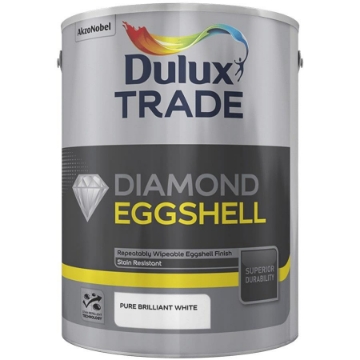
Dulux Trade Diamond Eggshell Pure Brilliant White 2.5L
Free delivery over £250 (Exceptions Apply)
Further delivery information
30 Day Return Policy
Need help or advice? Get in Touch
Payment options
Further delivery information
30 Day Return Policy
Need help or advice? Get in Touch
Payment options
£80.67

Dulux Trade Diamond Eggshell Pure Brilliant White 5L
Free delivery over £250 (Exceptions Apply)
Further delivery information
30 Day Return Policy
Need help or advice? Get in Touch
Payment options
Further delivery information
30 Day Return Policy
Need help or advice? Get in Touch
Payment options
£134.18

Dulux Trade High Gloss Black 1L
Free delivery over £250 (Exceptions Apply)
Further delivery information
30 Day Return Policy
Need help or advice? Get in Touch
Payment options
Further delivery information
30 Day Return Policy
Need help or advice? Get in Touch
Payment options
£38.66

Dulux Trade High Gloss Pure Brilliant White 1L
Free delivery over £250 (Exceptions Apply)
Further delivery information
30 Day Return Policy
Need help or advice? Get in Touch
Payment options
Further delivery information
30 Day Return Policy
Need help or advice? Get in Touch
Payment options
£27.95

Dulux Trade High Gloss Pure Brilliant White 2.5L
Free delivery over £250 (Exceptions Apply)
Further delivery information
30 Day Return Policy
Need help or advice? Get in Touch
Payment options
Further delivery information
30 Day Return Policy
Need help or advice? Get in Touch
Payment options
£54.04

Dulux Trade Quick Dry Gloss Pure Brilliant White 1L
Free delivery over £250 (Exceptions Apply)
Further delivery information
30 Day Return Policy
Need help or advice? Get in Touch
Payment options
Further delivery information
30 Day Return Policy
Need help or advice? Get in Touch
Payment options
£32.62

Dulux Trade Quick Dry Gloss Pure Brilliant White 2.5L
Free delivery over £250 (Exceptions Apply)
Further delivery information
30 Day Return Policy
Need help or advice? Get in Touch
Payment options
Further delivery information
30 Day Return Policy
Need help or advice? Get in Touch
Payment options
£60.93

Dulux Trade Quick Dry MDF Primer Undercoat 2.5L White
Free delivery over £250 (Exceptions Apply)
Further delivery information
30 Day Return Policy
Need help or advice? Get in Touch
Payment options
Further delivery information
30 Day Return Policy
Need help or advice? Get in Touch
Payment options
£78.62

Dulux Trade Quick Dry Satinwood Pure Brilliant White 1L
Free delivery over £250 (Exceptions Apply)
Further delivery information
30 Day Return Policy
Need help or advice? Get in Touch
Payment options
Further delivery information
30 Day Return Policy
Need help or advice? Get in Touch
Payment options
£41.21

Dulux Trade Quick Dry Satinwood Pure Brilliant White 2.5L
Free delivery over £250 (Exceptions Apply)
Further delivery information
30 Day Return Policy
Need help or advice? Get in Touch
Payment options
Further delivery information
30 Day Return Policy
Need help or advice? Get in Touch
Payment options
£81.12

Dulux Trade Quick Dry Wood Primer Undercoat 1L White
Free delivery over £250 (Exceptions Apply)
Further delivery information
30 Day Return Policy
Need help or advice? Get in Touch
Payment options
Further delivery information
30 Day Return Policy
Need help or advice? Get in Touch
Payment options
£39.26

Dulux Trade Quick Dry Wood Primer Undercoat 2.5L White
Free delivery over £250 (Exceptions Apply)
Further delivery information
30 Day Return Policy
Need help or advice? Get in Touch
Payment options
Further delivery information
30 Day Return Policy
Need help or advice? Get in Touch
Payment options
£79.05

Dulux Trade Satinwood Pure Brilliant White 1L
Free delivery over £250 (Exceptions Apply)
Further delivery information
30 Day Return Policy
Need help or advice? Get in Touch
Payment options
Further delivery information
30 Day Return Policy
Need help or advice? Get in Touch
Payment options
£35.14

Dulux Trade Satinwood Pure Brilliant White 2.5L
Free delivery over £250 (Exceptions Apply)
Further delivery information
30 Day Return Policy
Need help or advice? Get in Touch
Payment options
Further delivery information
30 Day Return Policy
Need help or advice? Get in Touch
Payment options
£69.96

Dulux Trade Undercoat Brilliant White 1L
Free delivery over £250 (Exceptions Apply)
Further delivery information
30 Day Return Policy
Need help or advice? Get in Touch
Payment options
Further delivery information
30 Day Return Policy
Need help or advice? Get in Touch
Payment options
£27.95

Payment options


