Search

Show prices tax inclusive Show prices tax exclusive
Show prices tax inclusive
Paving


A&G Country Cobble 100x150x50mm Cashel
Free delivery over £250 (Exceptions Apply)
Further delivery information
30 Day Return Policy
Need help or advice? Get in Touch
Payment options
Further delivery information
30 Day Return Policy
Need help or advice? Get in Touch
Payment options
£32.27

A&G Country Cobble 100x150x50mm Slate
Free delivery over £250 (Exceptions Apply)
Further delivery information
30 Day Return Policy
Need help or advice? Get in Touch
Payment options
Further delivery information
30 Day Return Policy
Need help or advice? Get in Touch
Payment options
£32.27

A&G Country Cobble 150x150x50mm Cashel
Free delivery over £250 (Exceptions Apply)
Further delivery information
30 Day Return Policy
Need help or advice? Get in Touch
Payment options
Further delivery information
30 Day Return Policy
Need help or advice? Get in Touch
Payment options
£32.27

A&G Country Cobble 150x150x50mm Slate
Free delivery over £250 (Exceptions Apply)
Further delivery information
30 Day Return Policy
Need help or advice? Get in Touch
Payment options
Further delivery information
30 Day Return Policy
Need help or advice? Get in Touch
Payment options
£32.27

A&G Country Cobble 200x150x50mm Cashel
Free delivery over £250 (Exceptions Apply)
Further delivery information
30 Day Return Policy
Need help or advice? Get in Touch
Payment options
Further delivery information
30 Day Return Policy
Need help or advice? Get in Touch
Payment options
£32.27

A&G Country Cobble 200x150x50mm Slate
Free delivery over £250 (Exceptions Apply)
Further delivery information
30 Day Return Policy
Need help or advice? Get in Touch
Payment options
Further delivery information
30 Day Return Policy
Need help or advice? Get in Touch
Payment options
£32.27
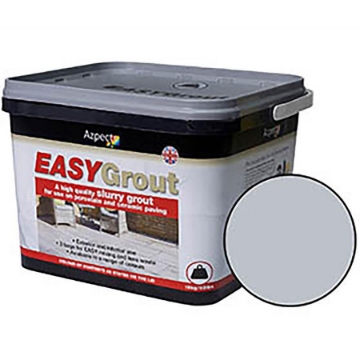
Azpects EASYGrout Flow Porcelain Slurry Grout 15Kg Argent
Free delivery over £250 (Exceptions Apply)
Further delivery information
30 Day Return Policy
Need help or advice? Get in Touch
Payment options
Further delivery information
30 Day Return Policy
Need help or advice? Get in Touch
Payment options
£70.82

Azpects EASYGrout Flow Porcelain Slurry Grout 15Kg Crema
Free delivery over £250 (Exceptions Apply)
Further delivery information
30 Day Return Policy
Need help or advice? Get in Touch
Payment options
Further delivery information
30 Day Return Policy
Need help or advice? Get in Touch
Payment options
£70.82

Azpects EASYJoint Paving Jointing Compound 12.5Kg Basalt
Free delivery over £250 (Exceptions Apply)
Further delivery information
30 Day Return Policy
Need help or advice? Get in Touch
Payment options
Further delivery information
30 Day Return Policy
Need help or advice? Get in Touch
Payment options
£57.49

Azpects EASYJoint Paving Jointing Compound 12.5Kg Buff Sand
Free delivery over £250 (Exceptions Apply)
Further delivery information
30 Day Return Policy
Need help or advice? Get in Touch
Payment options
Further delivery information
30 Day Return Policy
Need help or advice? Get in Touch
Payment options
£53.71

Azpects EASYJoint Paving Jointing Compound 12.5Kg Mushroom
Free delivery over £250 (Exceptions Apply)
Further delivery information
30 Day Return Policy
Need help or advice? Get in Touch
Payment options
Further delivery information
30 Day Return Policy
Need help or advice? Get in Touch
Payment options
£53.71

Azpects EASYJoint Paving Jointing Compound 12.5Kg Stone Grey
Free delivery over £250 (Exceptions Apply)
Further delivery information
30 Day Return Policy
Need help or advice? Get in Touch
Payment options
Further delivery information
30 Day Return Policy
Need help or advice? Get in Touch
Payment options
£53.71

Azpects EASYJoint Select Paving Jointing Compound 12.5Kg Jet Black
Free delivery over £250 (Exceptions Apply)
Further delivery information
30 Day Return Policy
Need help or advice? Get in Touch
Payment options
Further delivery information
30 Day Return Policy
Need help or advice? Get in Touch
Payment options
£60.04
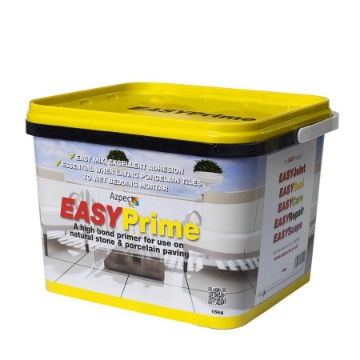
Azpects EASYPrime High Bond Slurry Primer 15Kg
Free delivery over £250 (Exceptions Apply)
Further delivery information
30 Day Return Policy
Need help or advice? Get in Touch
Payment options
Further delivery information
30 Day Return Policy
Need help or advice? Get in Touch
Payment options
£61.34
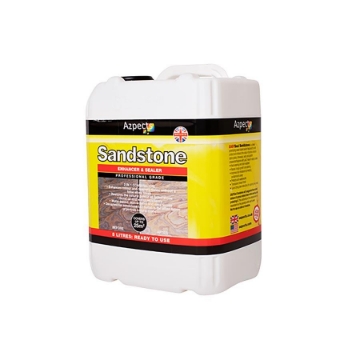
Azpects EASYSeal Sandstone Enhancer & Sealer 5L
Free delivery over £250 (Exceptions Apply)
Further delivery information
30 Day Return Policy
Need help or advice? Get in Touch
Payment options
Further delivery information
30 Day Return Policy
Need help or advice? Get in Touch
Payment options
£88.09
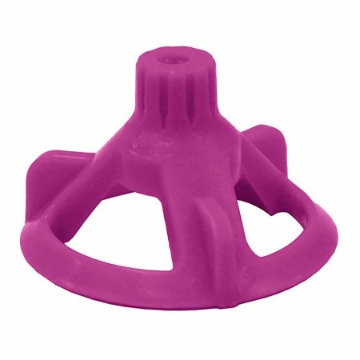
Azpects EASYTileAlign Reusable Levelling Caps Purple Bag 50
Free delivery over £250 (Exceptions Apply)
Further delivery information
30 Day Return Policy
Need help or advice? Get in Touch
Payment options
Further delivery information
30 Day Return Policy
Need help or advice? Get in Touch
Payment options
£24.37
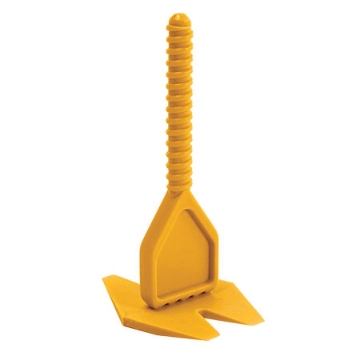
Azpects EASYTileAlign Spacer Posts 5mm Yellow Bag 150
Free delivery over £250 (Exceptions Apply)
Further delivery information
30 Day Return Policy
Need help or advice? Get in Touch
Payment options
Further delivery information
30 Day Return Policy
Need help or advice? Get in Touch
Payment options
£35.02

Cava Quartz Porcelain 900x600x20mm Lucenta (Grey)
Free delivery over £250 (Exceptions Apply)
Further delivery information
30 Day Return Policy
Need help or advice? Get in Touch
Payment options
Further delivery information
30 Day Return Policy
Need help or advice? Get in Touch
Payment options
£20.28

Cava Quartz Porcelain 900x600x20mm Lucio (Beige)
Free delivery over £250 (Exceptions Apply)
Further delivery information
30 Day Return Policy
Need help or advice? Get in Touch
Payment options
Further delivery information
30 Day Return Policy
Need help or advice? Get in Touch
Payment options
£20.28

Cava Quartz Porcelain 900x600x20mm Lustre (Anthracite)
Free delivery over £250 (Exceptions Apply)
Further delivery information
30 Day Return Policy
Need help or advice? Get in Touch
Payment options
Further delivery information
30 Day Return Policy
Need help or advice? Get in Touch
Payment options
£20.28
- 1
- 2

Payment options


